Students learn about Native Americans and the Dakota Access Pipeline, and practise their reading, writing, and speaking skills.
This article is a shortened version of a webquest I already published in a post. You can find it here:
It is intended to take up to an hour for the students to browse the internet on flagged websites and find out the answers to the questions.
 NATIVE AMERICANS WEB SEARCH
1. What Native American nation lives in North and South Dakota:
…………………………………………………………………………….
2. Name one famous leader of their tribe. Explain briefly what he is famous for.
…………………………………………………………………………………………………………………………………………………………
……………………………………………………………………………………………………………………………………………………………
……………………………………………………………………………………………………………………………………………………………
3. Name a famous battle, massacre or protest of the Sioux. Explain why it is famous.
……………………………………………………………………………………………………………………………………………………………
……………………………………………………………………………………………………………………………………………………………
……………………………………………………………………………………………………………………………………………………………
4. a. What were the boundaries of the Great Sioux Reservation in
the Article 2 of the Treaty of Fort Laramie of April 29, 1868?
 ……………………………………………………………………………………………………………………………………
……………………………………………………………………………………………………………………………………
……………………………………………………………………………………………………………………………………
b. Are they still the same boundaries today?
 ……………………………………………………………………………………………………………………………………
……………………………………………………………………………………………………………………………………
……………………………………………………………………………………………………………………………………
5. Are Indian reservations independent? Justify with the mission statement and
core principles of the South Dakota Reservation
……………………………………………………………………………………………………………………………………………………………
……………………………………………………………………………………………………………………………………………………………
6. How many Sioux live in South Dakota today?
……………………………………………………………….
7. What is the black snake myth for Native Americans?
……………………………………………………………………………………………………………………………………………………………
……………………………………………………………………………………………………………………………………………………………
……………………………………………………………………………………………………………………………………………………………
8. Why is it at the heart of a controversy and protests? Do you see a link to the prophecy?
……………………………………………………………………………………………………………………………………………………………
……………………………………………………………………………………………………………………………………………………………
……………………………………………………………………………………………………………………………………………………………
Answers:
NATIVE AMERICANS WEB SEARCH
Sitting Bull (1831-1890) was considered the last Sioux to surrender to the U.S. Government. He led
3,500 Sioux and Cheyenne warriors against the US Cavalry under George Custer at the Battle of
Little Bighorn on June 25, 1876, a battle won by the Indians. In later life, Sitting Bull toured with
Buffalo Bill's Wild West Show, where he was a popular attraction.
| |
The Native Americans who live in North and South Dakota are called the Sioux.
| |
There is an old Lakota prophecy of a black snake, the zuzeca sape , that will comes across their
land, and bring great sadness and destruction.
| |
The massacre at Wounded Knee Creek was the last major armed conflict between the Lakota and
the United States. It was described as a "massacre" by General Nelson A. Miles in a letter to the
Commissioner of Indian Affairs. On December 29, 1890, five hundred troops of the U.S. 7th
Cavalry, 25 troopers and more than 150 Lakota Sioux lay dead, including men, women, and
children. Around 150 Lakota are believed to have fled the chaos, many of whom may have died
from hypothermia.
| |
|
146 Indians died and 160 were wounded, while 274 Americans were killed and 49 were wounded.
| |
Indian Reservations are independent and sovereign on their lands as stated in the core principles
of the South Dakota Reservation: “Each Tribe operates as a separate government to govern its
own citizens under its own laws”.
| |
The boundaries of the Great Sioux Reservation were commencing on the 46th parallel of north
latitude (the South Dakota border) to the east bank of Missouri River, south along the east bank to
the Nebraska line, then west to the 104th parallel of west longitude. It was situated on 6 states :
North and South Dakota, Nebraska, Montana, Wyoming and Colorado.
| |
A company called Energy Transfer Partner is building the Dakota Access Pipeline, a 1.900 km long
pipeline that will transport 470.000 barrels of crude oil from North Dakota to Illinois. Native
American people are strongly opposed to the project because it will put drinking water at risk of
contamination and damage sacred grounds. Lakota people believe the pipeline could be the great
black snake of the prophecy.
| |
The Great Reservation was gradually reduced by the US Government. Today the Sioux territory is
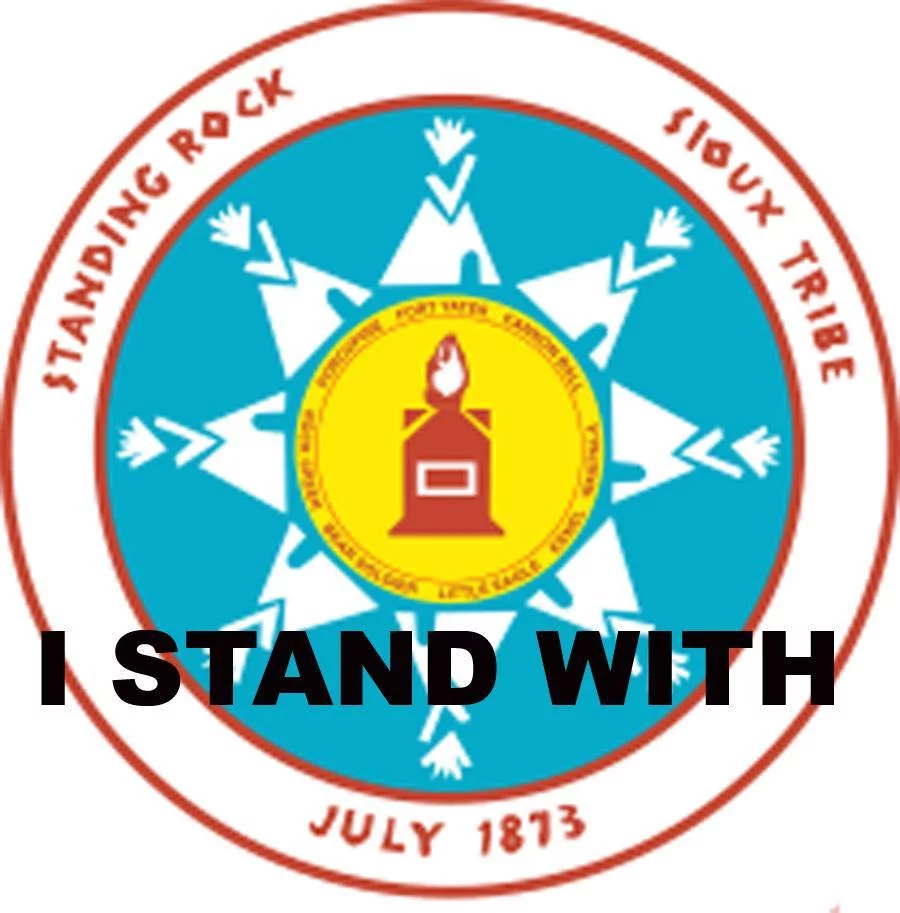
divided into different reservations such as Standing Rock, Cheyenne River, Crow Creek, Pine
Ridge, Rosebud, Lower Brule.
|
Cécile Sohier
---
About the Author
Cécile Sohier is an English teacher specialising in Technical English, ESP (English for Specific Purposes), Business English, and EFL/ESL teaching. She creates classroom-ready resources and shares practical ideas for teaching English in secondary schools, vocational education, and professional contexts.
Teaching Technical English focuses on:
• Technical English vocabulary and communication
• ESP lesson plans and teaching strategies
• Business English activities and resources
• EFL/ESL classroom materials for teachers
• Practical English for real-life and workplace situations
All articles are written to support English teachers, language educators, and learners looking for clear, usable, and authentic teaching materials.
© Cécile Sohier – Teaching Technical English
---


